Black Pioneers in Social Work and the Mental Health Field
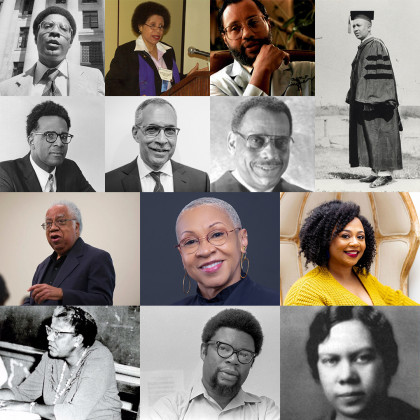
We recognize and celebrate the work that has been done, and which is currently underway by Black pioneers and advocates in the fields of social work, mental health, sociology and psychology.
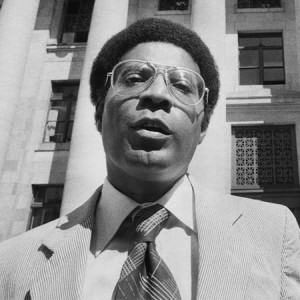
Alvin F. Poussaint, M.D.
Civil rights–era psychiatrist linking racism and mental health
(1934–2023)
Dr. Alvin Poussaint was a psychiatrist, activist, and public intellectual who argued that racism itself is a mental health crisis. During the Civil Rights Movement, he provided psychiatric care in the Deep South and documented the emotional toll of systemic oppression on Black Americans. His clinical work and scholarship highlighted how discrimination fuels depression, violence, and internalized harm.
Poussaint also understood the power of media and culture in shaping mental health. As a consultant on The Cosby Show and other projects, he advocated for accurate, affirming portrayals of Black families. Through education, writing, and mentorship, he helped legitimize conversations about trauma, mental illness, and emotional vulnerability in Black communities.
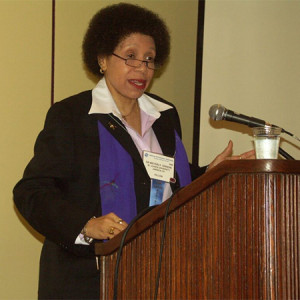
Beverly Greene, Ph.D.
Pioneer of intersectional and multicultural therapy
(1950–Present)
Dr. Beverly Greene is a clinical psychologist who has spent her career challenging the idea that therapy can exist outside of culture, identity, and lived experience. Early on, she pushed back against models that treated race, gender, and sexual orientation as side notes rather than central parts of a person’s story, especially for Black women and LGBTQ+ clients. Her work helped shift psychology toward a more honest understanding of how power and social context shape mental health.
As a researcher, educator, and mentor, Greene trained generations of clinicians to practice with cultural humility and ethical awareness. Her work remains foundational in multicultural counseling and feminist psychology, shaping how therapists understand identity-based stress, resilience, and healing.
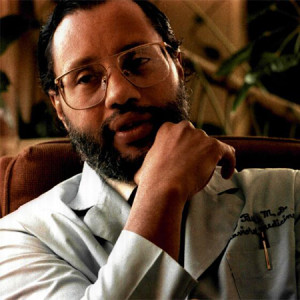
Carl C. Bell, M.D.
Community psychiatrist and violence-prevention pioneer
(1947–2019)
Dr. Carl Bell was a psychiatrist whose career centered on delivering culturally responsive mental health care to underserved Black communities. In Chicago, he founded and led one of the largest Black-run community mental health centers in the country, providing care that addressed trauma, substance use, and chronic stress. Bell was among the first to frame violence as a public mental health issue rather than a moral failing or criminal defect.
His research and advocacy connected exposure to violence with PTSD, depression, and long-term health disparities. Bell worked across disciplines; psychiatry, public health, education, and policy to promote prevention, early intervention, and community-based solutions. His legacy lives on in trauma-informed community care models and violence prevention programs nationwide.
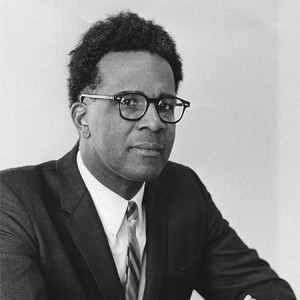
Chester M. Pierce, M.D.
Psychiatrist who coined the term “microaggression”
(1927–2016)
Dr. Chester Pierce was a psychiatrist, educator, and visionary thinker who transformed how racism is understood in mental health. He coined the term microaggression to describe the subtle, everyday acts of discrimination that accumulate into serious psychological harm. This concept revolutionized discussions of race, mental health, and workplace dynamics and remains foundational in psychology today.
Pierce broke racial barriers throughout his career, becoming the first Black full professor at Massachusetts General Hospital and helping establish global psychiatry initiatives. He also advised institutions ranging from the U.S. military to children’s television, advocating for inclusive representation and preventive mental health strategies. His work reframed racism as a public health issue with measurable psychological consequences.

Claude M. Steele, Ph.D.
Researcher who identified “stereotype threat”
(1946–Present)
Dr. Claude Steele is a social psychologist whose research on stereotype threat revealed how fear of confirming negative stereotypes can impair performance and psychological well-being. His work showed that academic and testing disparities were not solely about ability, but about the mental burden imposed by bias and expectation. This research reshaped how educators and clinicians understand stress, anxiety, and identity.
Steele’s findings have influenced interventions in schools, universities, and workplaces across the country. By demonstrating that affirming identity and belonging can improve outcomes, his work has helped reduce stigma and improve mental health for marginalized groups. His leadership in higher education further advanced institutional accountability around equity and inclusion.
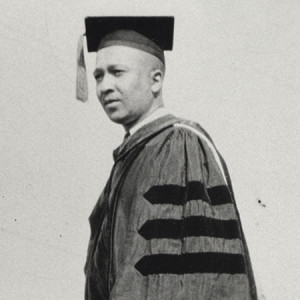
Francis Cecil Sumner, Ph.D.
First Black American to earn a Ph.D. in psychology; founder of Black psychology as an academic discipline
(1895–1954)
Dr. Francis Cecil Sumner was the first African American to earn a doctorate in psychology, achieving this milestone in 1920 at Clark University during the height of Jim Crow segregation. Despite being denied access to many academic spaces, Sumner went on to establish and chair the psychology department at Howard University, one of the most important training grounds for Black psychologists in the United States. His research directly challenged racist theories of intelligence and education that were widely accepted at the time, positioning psychology as a tool for liberation rather than oppression.
Beyond his own academic work, Sumner’s greatest legacy lies in mentorship. He trained and influenced generations of Black psychologists who reshaped education, civil rights law, and mental health research, including figures whose work contributed to Brown v. Board of Education. By insisting that Black communities be studied with dignity, context, and rigor, Sumner laid the intellectual foundation for culturally responsive psychology and mental health care in America.
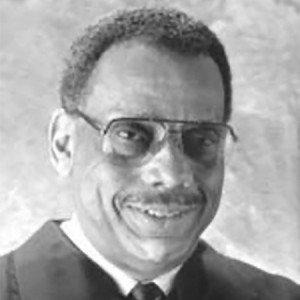
Herman George Canady, Ph.D.
Pioneer in identifying racial bias in intelligence testing
(1901–1970)
Dr. Herman Canady was among the first psychologists to empirically demonstrate that intelligence testing was deeply influenced by social and racial dynamics. In the 1930s, his research revealed that Black students performed differently on IQ tests depending on the race of the examiner, undermining the claim that such tests measured innate intelligence. This work was radical at a time when intelligence testing was frequently used to justify segregation and discrimination.
Canady’s findings forced psychologists and educators to confront the role of environment, power, and bias in assessment practices. His work helped shift the field away from deficit-based models and toward more equitable testing standards. Today, his research is recognized as an early and critical step toward culturally fair assessment and ethical psychological practice.
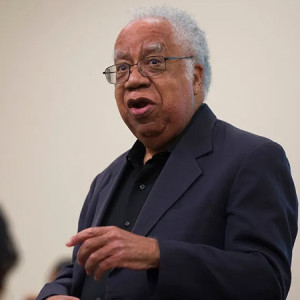
Joseph L. White, Ph.D.
Co-founder of Black psychology; advocate for culturally grounded mental health frameworks
(1932–2017)
Dr. Joseph White, often called the “Godfather of Black Psychology,” fundamentally reshaped the field by challenging the assumption that Eurocentric psychological models could adequately explain Black experiences. In 1968, he co-founded the Association of Black Psychologists, creating a professional home for scholars and clinicians committed to culturally relevant research and practice. His influential article “Toward a Black Psychology” argued that psychology must center Black identity, resilience, and community strengths rather than treating difference as a disorder.
White’s work extended beyond theory into education and policy. He helped establish programs that expanded access to higher education for marginalized students and mentored countless psychologists who went on to serve Black communities nationwide. His legacy endures in modern multicultural counseling, Afrocentric psychology, and the insistence that mental health care must be culturally informed to be ethical and effective.
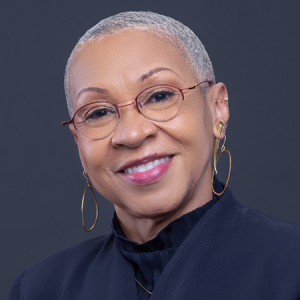
Joy Angela DeGruy, Ph.D.
Developer of Post Traumatic Slave Syndrome theory
(1957–Present)
Dr. Joy DeGruy is a researcher, clinician, and educator best known for developing the theory of Post Traumatic Slave Syndrome (PTSS). Her work examines how the trauma of slavery, compounded by ongoing systemic racism, has been transmitted across generations, shaping mental health outcomes in Black communities. By framing historical trauma as a legitimate psychological concern, DeGruy expanded trauma theory beyond individual experience to include collective and intergenerational harm.
Through her writing, lectures, and training programs, DeGruy has influenced clinicians, educators, and community leaders nationwide. Her work emphasizes healing through awareness, cultural grounding, and resilience rather than shame or pathology. PTSS has become a cornerstone concept in trauma-informed care for Black communities, helping practitioners better understand behavior, stress responses, and survival strategies rooted in history.

Joy Harden Bradford, Ph.D.
Founder of Therapy for Black Girls; digital mental health innovator
(1987–Present)
Dr. Joy Harden Bradford is a licensed psychologist who revolutionized access to mental health resources for Black women and girls through the Therapy for Black Girls platform. Combining clinical expertise with podcasts, social media, and online education, she normalized conversations about anxiety, trauma, and self-care in spaces where stigma often prevented help-seeking.
Her work bridges traditional therapy and modern digital outreach, creating community-centered pathways to healing. By centering Black women’s lived experiences and cultural context, Bradford has reshaped how mental health education is delivered and who it reaches. Her influence reflects a new generation of mental health advocacy grounded in accessibility, affirmation, and representation.
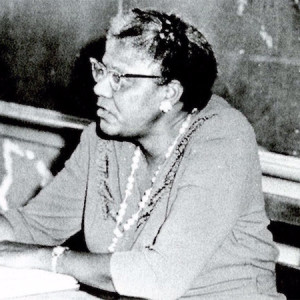
Keturah Whitehurst, Ph.D.
Educator and mentor known as the “Mother of Black Psychology”
(1901–1981)
Dr. Keturah Whitehurst was a psychologist, educator, and institution-builder whose influence shaped generations of Black mental health professionals. Working primarily in the segregated South, she developed early childhood programs, graduate training pathways, and psychological services for Black communities excluded from white institutions. She believed psychology should serve people directly, not remain confined to academia.
Whitehurst was also a tireless mentor and advocate for Black scholars, earning recognition as the “Mother of Black Psychology.” Her work connected education, mental health, and community empowerment, ensuring that psychological knowledge was accessible, practical, and culturally grounded. Her legacy is reflected in the countless clinicians and educators she trained.
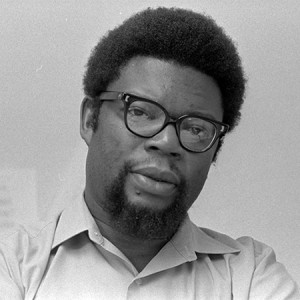
Robert Lee Williams II, Ph.D.
Creator of the first culturally relevant intelligence test for Black Americans
(1930–2020)
Dr. Robert Lee Williams II was a psychologist and outspoken critic of racially biased intelligence testing. In response to standardized IQ tests that disadvantaged Black students, he developed the Black Intelligence Test of Cultural Homogeneity in 1972. The test demonstrated that when cultural familiarity was equalized, Black test-takers performed comparably to their white peers, exposing systemic bias rather than intellectual difference.
Williams also introduced the term Ebonics to describe African American language patterns, advocating for their recognition as legitimate linguistic systems. His work challenged psychology, education, and public policy to confront how culture shapes knowledge and assessment. Today, his influence is visible in culturally responsive testing practices and broader conversations about equity in education and mental health diagnosis.
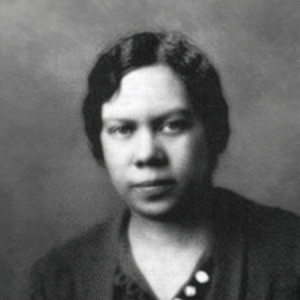
Ruth Winifred Howard, Ph.D.
First Black woman to earn a Ph.D. in psychology
(1900–1997)
Dr. Ruth Winifred Howard was the first African American woman to earn a doctorate in psychology, achieving this milestone in 1934. Her career focused on child development, education, and expanding access to psychological services for Black communities during segregation. At a time when mental health care was largely inaccessible to Black families, Howard worked to close that gap through community-based practice.
She co-founded an early psychological services center serving Black clients and worked extensively in educational settings to support children with special needs. Howard’s career exemplified quiet but powerful trailblazing, opening doors for Black women in psychology and embedding mental health care within Black institutions.