Together, We Can Keep Children Safe!
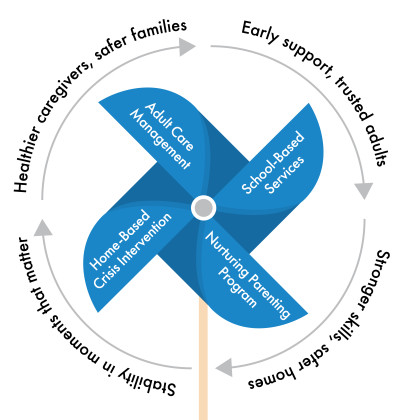
April is Child Abuse Prevention Month, for us at ICAN, it is more than an awareness campaign. It is a call to action.
At ICAN, preventing child abuse is woven into everything we do, every day, as we work toward our mission of empowering individuals and families to thrive. This month we shine a light on the many ways our community can come together to protect children and support the families who need us most, all in pursuit of Prevent Child Abuse America's vision of “a world where every child and family is living a purposeful and happy life with hope for the future”.
Their vision is beautifully represented by the symbol of Child Abuse Prevention Month, a pinwheel. Pinwheels reflect the playful and joyful childhood that every child deserves. It serves as a reminder that it takes all of us, every part of a community, to create lasting change. Each turn represents a shift from harm to safety, reinforcing the powerful truth that we all have a role in creating environments where children can grow AND thrive. Child abuse and neglect is a community issue, and prevention begins with strengthening the systems and supports that wraparound families.
Child Abuse Isn’t About “Bad Parenting” - It’s About a Lack of Resources
While some harm done to children is intentional, the majority of child abuse and neglect stems from overwhelmed caregivers who may lack critical supports, such as: safe and stable housing, food security, stable and adequate income, reliable childcare, reliable transportation, social networks, and more. Nearly three-quarters of abuse cases involve neglect. Neglect is usually not about a lack of care and effort, but more about a lack of resources.
Preventing child abuse extends far beyond the home. It is deeply connected to broader challenges that include: socioeconomic instability, systemic inequalities and gaps in community support systems.
The Root Causes Communities Need to Understand
Communities facing limited access to affordable housing, healthcare, mental health services, and quality and reliable childcare place immense pressure on families. This ongoing and chronic stress increases the risk of child abuse and neglect, underscoring the absolute importance of supporting families BEFORE crises arise.
Social isolation also plays a significant role. In communities with limited connection or high transience, caregivers may lack the support networks needed to navigate the challenges of raising children.
Additionally, socio-cultural factors matter. Practices that normalize violence or corporal punishment can increase risk. Structural racism, discrimination, and marginalism, particularly towards minority and LGBTQ+ communities, can further heighten vulnerability and limit access to protection and support.
The Power of Resilience and Protective factors
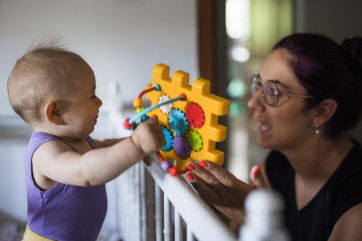
Since the 1980s, research has consistently shown that one of the most effective ways to prevent child abuse and neglect is by building protective factors within communities and families. Protective factors are the strengths and supports that reduce risk and help families thrive, even in the face of adversity. They are not just safety nets; they are the foundation of resilience.
At ICAN, we know that every family has strengths to build upon. Our wraparound approach focuses on identifying and building upon those existing protective factors, while connecting families to the resources they need to thrive. We meet families where they are, at home, in schools, and in the community. We walk alongside them as they build the skills, confidence, and connections needed to keep children safe and families together.
Five Significant Protective Factors
- Parental Resilience - the ability of parents and caregivers to manage stress and bounce back from challenges.
- Social Connections - supportive relationships that reduce social isolation and provide emotional support.
- Knowledge of Parenting and Child Development - Understanding child development to set realistic expectations and encourage positive discipline.
- Concrete Support in Times of Need - access to essential resources like food, housing and reliable childcare.
- Social-Emotional Competence of Children - helping children learn to express emotions, build relationships, and self-regulate.
This April, and every day, you can play an integral role in preventing child abuse and neglect and supporting families in your community. Small actions make a meaningful and impactful difference! Help to ensure that every child feels safe, loved and supported.
- Know the signs and have the courage to speak up
- Support struggling families before a crisis happens
- Volunteer or donate to prevention programs
- Be a trusted adult for children in your life
- Help reduce the stigma around asking for help
Together we ALL can create a world where every child and family is safe, supported, and able to thrive. And with hope for the future.